Loading
Home / Terms of Use Template

Terms of Use for Modern Websites

A Terms of Use agreement defines the rules and guidelines users must follow when accessing your website, platform, or services. It helps establish clear expectations, protect your business, and ensure users understand their responsibilities while interacting with your platform.

Powering we provide the latest solutions for website privacy compliance

Why Your Website Needs Terms of Use?

  • Define acceptable and prohibited user behavior
  • Protect your intellectual property and platform content
  • Limit liability and reduce legal risks
  • Establish account suspension and termination policies
  • Improve transparency and user trust

What Should Be Included in Terms of Use?

  • User responsibilities and acceptable use
  • Account creation and management rules
  • Intellectual property rights
  • Limitation of liability clauses
  • Governing law and dispute resolution
  • Third-party services and integrations

Protect Your Platform with Clear Usage Guidelines

  • Prevent misuse and unauthorized access
  • Establish rules for content sharing and user interactions
  • Define restrictions on copying, modifying, or distributing content
  • Maintain a safe and professional environment for users

Define User Responsibilities

Users must agree to follow platform guidelines when accessing your services. Clear responsibilities help reduce misuse and create a consistent user experience.

By outlining acceptable behavior, you ensure that users understand what actions are allowed and what may result in restricted access. This helps protect both your platform and other users.

Additionally, defining responsibilities supports enforcement of your policies when violations occur.

Finally, a well-structured Terms of Use helps create transparency between your platform and users.

Manage Account Access and Termination

Your Terms of Use should explain how users can create accounts and under what conditions access may be limited.

Account management rules help ensure users provide accurate information and maintain secure access. This reduces risks related to fraud and unauthorized use.

You should also define when accounts may be suspended or terminated due to violations.

Clear account policies create a safer and more reliable platform experience.

User-Generated Content

Users may submit, upload, publish, or share various types of content while interacting with the platform, including comments, form submissions, uploaded files, feedback, or other user-provided materials. Your Terms of Use should clearly explain how this user-generated content is handled, stored, and used within the platform. This helps users understand their rights and responsibilities when sharing information.

Additionally, it is important to state that users remain responsible for the content they submit. This includes ensuring that their submissions do not violate applicable laws, infringe on intellectual property rights, or contain harmful, misleading, or inappropriate material. Establishing these expectations helps create a safe and trustworthy platform environment.

Intellectual Property

Your platform’s content, including design elements, branding, text, logos, software, and other materials, should be clearly identified as protected intellectual property. This ensures users understand that these materials belong to your organization and cannot be copied, modified, or redistributed without authorization.

Terms of Use should specify that all platform features, functionality, and visual elements are protected under applicable intellectual property laws. This includes proprietary technology, workflows, documentation, and user interface components that are part of your platform.
Content Restrictions

To maintain platform integrity and ensure user safety, your Terms of Use should define content that is not permitted on the platform. These restrictions help create a safe, respectful, and compliant environment for all users.

Prohibited content may include unlawful, harmful, misleading, or abusive material. This may also include content that violates privacy rights, promotes discrimination, spreads malware, or attempts to exploit platform functionality. Clearly outlining these restrictions reduces risk and improves platform security.

Additionally, you may restrict content that interferes with platform performance or disrupts user experience. This includes spam submissions, automated misuse, unauthorized promotional content, or attempts to manipulate platform systems.

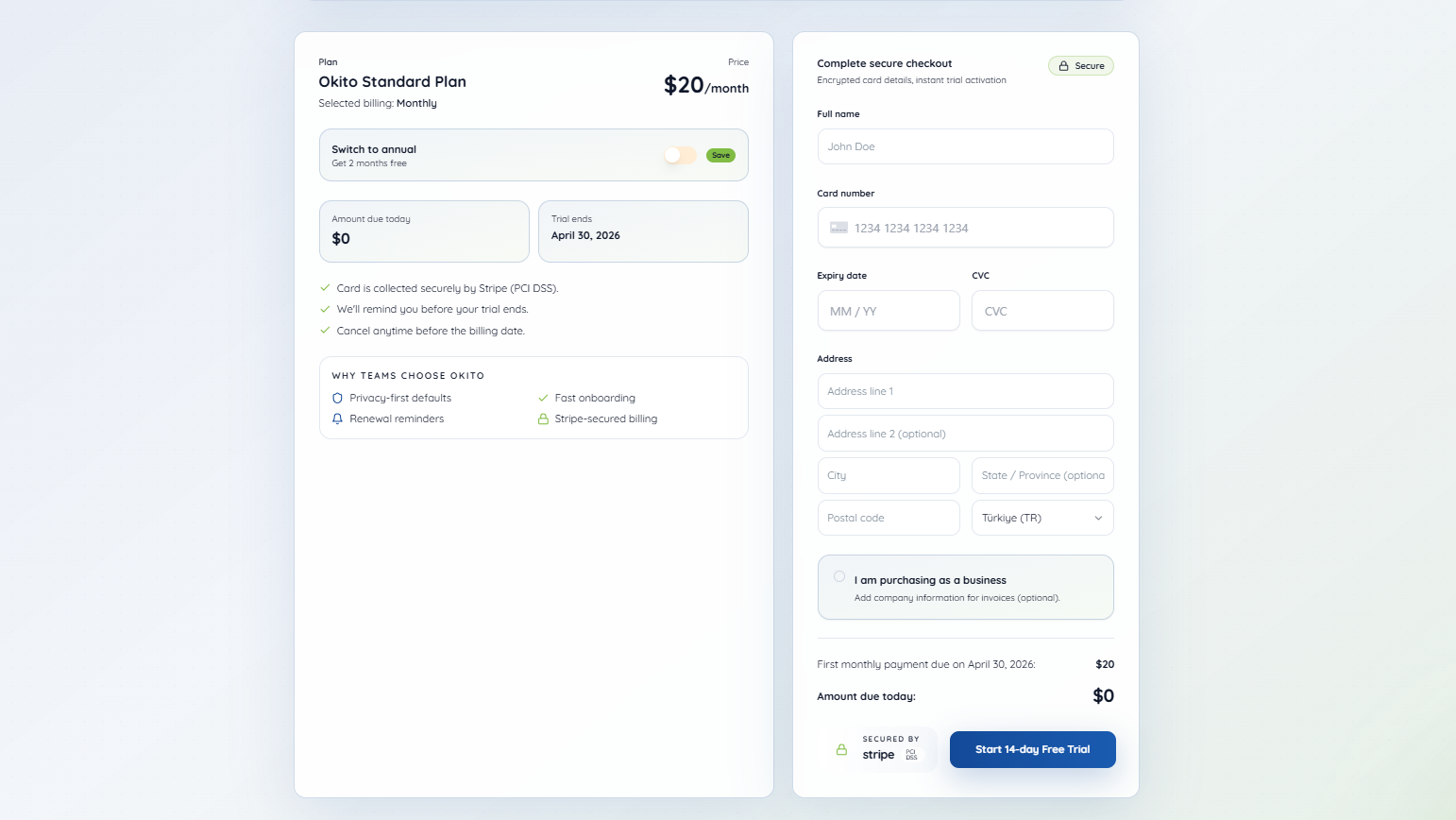
payment-form-img.png
Scan report

https://example.com

Generated on

0

Cookies (in total)

0 total

Categories

Do you want to scan your entire website?

Our free scan is limited to the URL you entered. To discover all the cookies set by your website, you need to sign up.

Sign up and scan
14-day free trial Cancel anytime
Create a free trial account and complete your scanning
  • Database of 100,000+ cookies
  • Detect unique cookies and trackers
  • Auto-generate your first scan report
  • Schedule monthly scanning
  • Deploy a custom cookie banner
  • Access more compliance features!
FAQ

Frequently Asked Questions

Yes, having a Terms of Use agreement is strongly recommended for any website, platform, or digital service. A Terms of Use document helps define how users are allowed to interact with your platform and what responsibilities they have while using your services. It also provides legal protection by setting expectations around acceptable behavior, account usage, and content submissions.

Terms of Use agreements can be legally binding when users are properly informed of the terms and agree to them. This often occurs when users create an account, submit a form, or continue using a platform after being presented with the Terms of Use. Providing clear notice and obtaining user acknowledgment strengthens enforceability.

A comprehensive Terms of Use agreement typically includes several important sections that define how your platform operates. These sections often cover user responsibilities, acceptable use guidelines, account management rules, intellectual property ownership, and limitations of liability. Each of these elements helps establish a clear framework for user interaction.

Your Terms of Use should be easily accessible to users at all times. Most websites place a link to the Terms of Use in the footer so that users can quickly find and review the document. This ensures transparency and makes it easier for users to understand platform rules.

Terms of Use agreements should always be customized to match your platform, services, and business model. Every website or platform operates differently, so a generic Terms of Use document may not provide adequate protection or clarity. Customizing your Terms of Use ensures your policies accurately reflect how your platform works.